Mantis Behavior
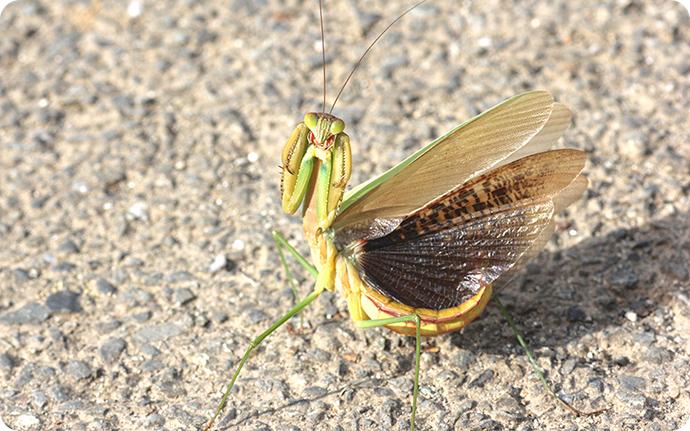
Why Do Praying Mantises Raise Their Arms? Meaning, Behavior, and Body Language
A praying mantis raises its front legs for several possible reasons, including normal resting posture, hunting readiness, tracking movement, grooming,...
Praying Mantis Facts
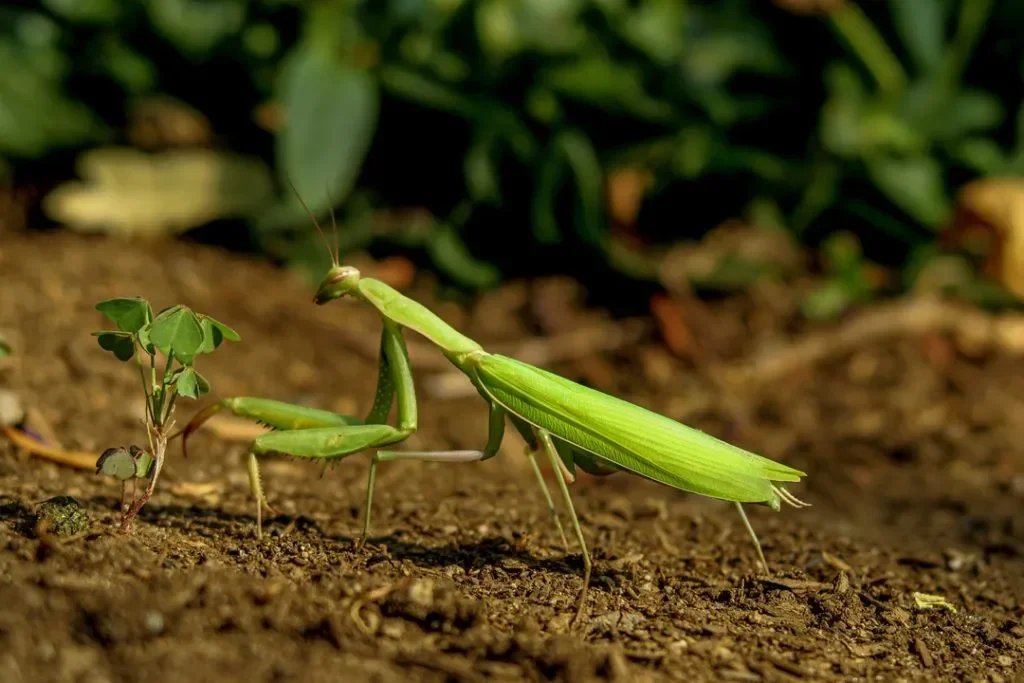
Are Praying Mantises Good, Risks, and Facts
Praying mantises are not simply “good” or “bad.” They are fascinating predatory insects that can eat many garden pests, but...
Mantis Habitat
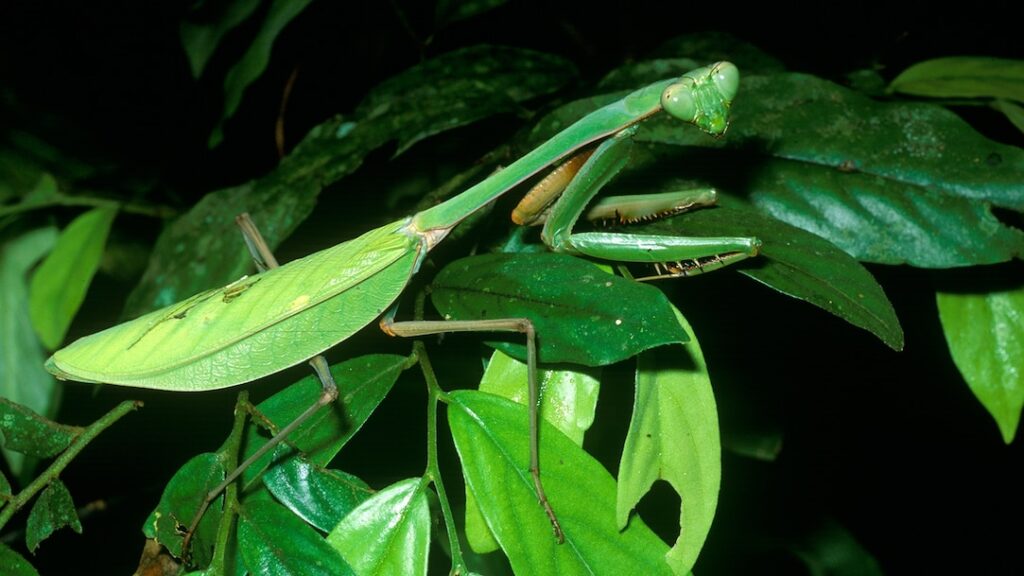
Where Do Praying Mantises Live? Habitat, Gardens, Eggs, and Seasonal Behavior
Praying mantises live in places where they can hide, hunt, and find enough live prey. In many parts of the...
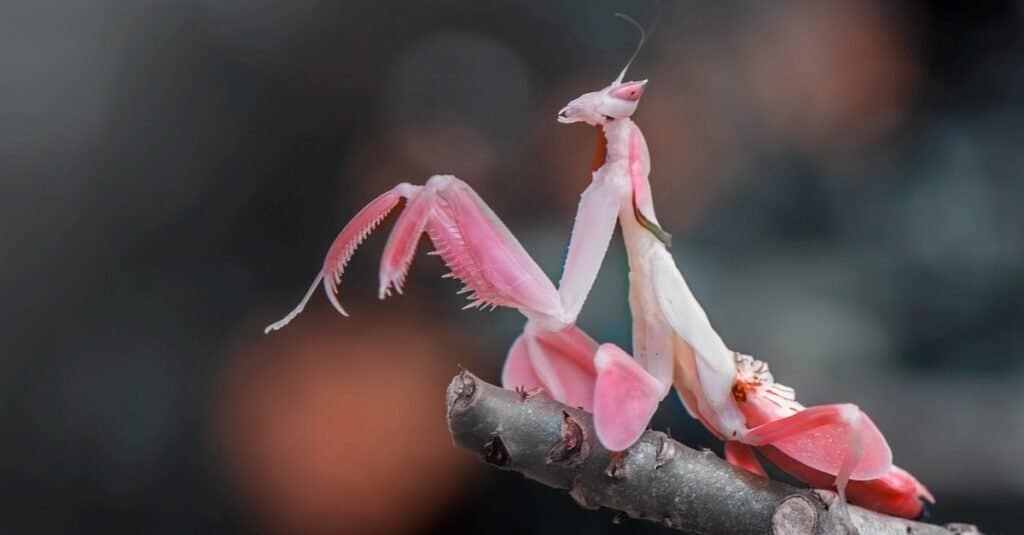
Mantis Behavior
How Do Praying Mantises Hunt? Ambush, Vision, Camouflage, and Strike Behavior
Praying mantises usually hunt by waiting quietly, watching for movement, and striking when live prey comes close enough to catch....
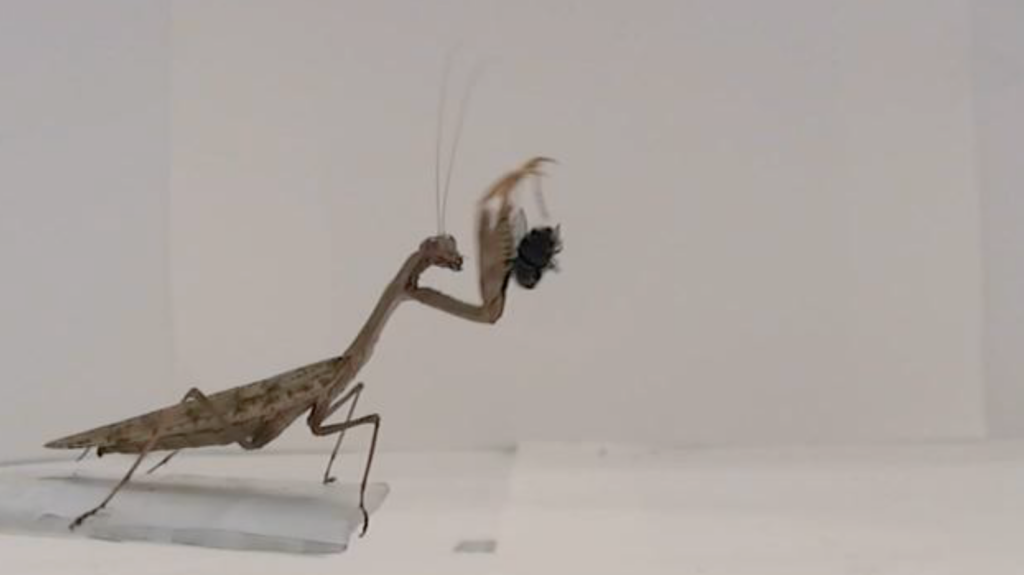
Mantis Behavior
Praying Mantis Hunting Behavior: How Mantises Find, Stalk, and Catch Prey
Praying mantises are predatory insects known for their still, folded posture and sudden strike. Their hunting behavior relies on patience,...
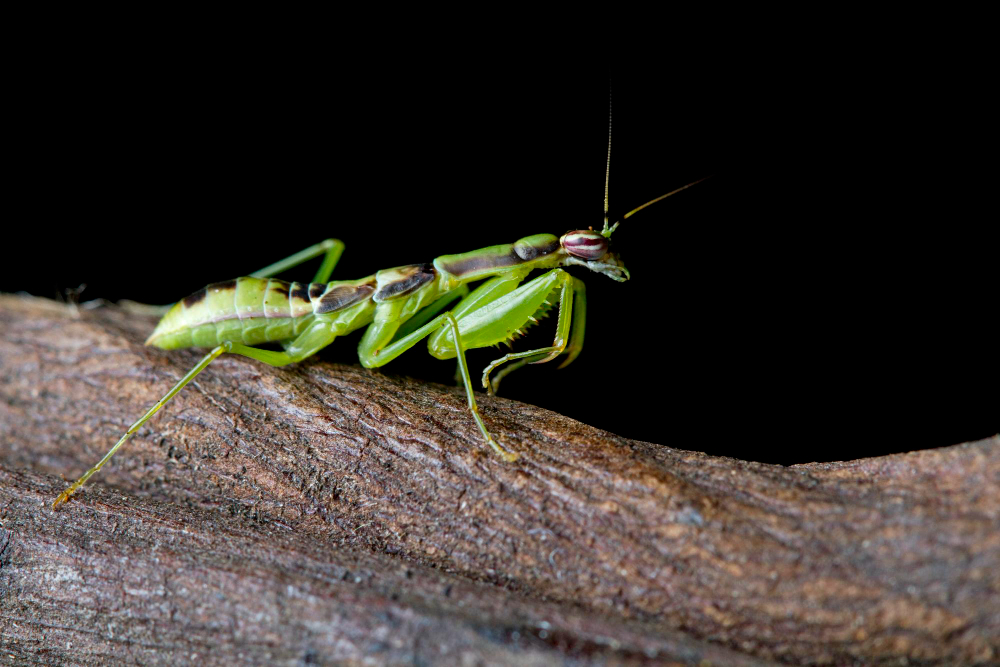
Mantis Identification
Small Praying Mantis Identification: How to Tell If It’s a Baby Mantis, Nymph, or Small Species
A small praying mantis is most often a young nymph — especially if it looks like a miniature adult but...
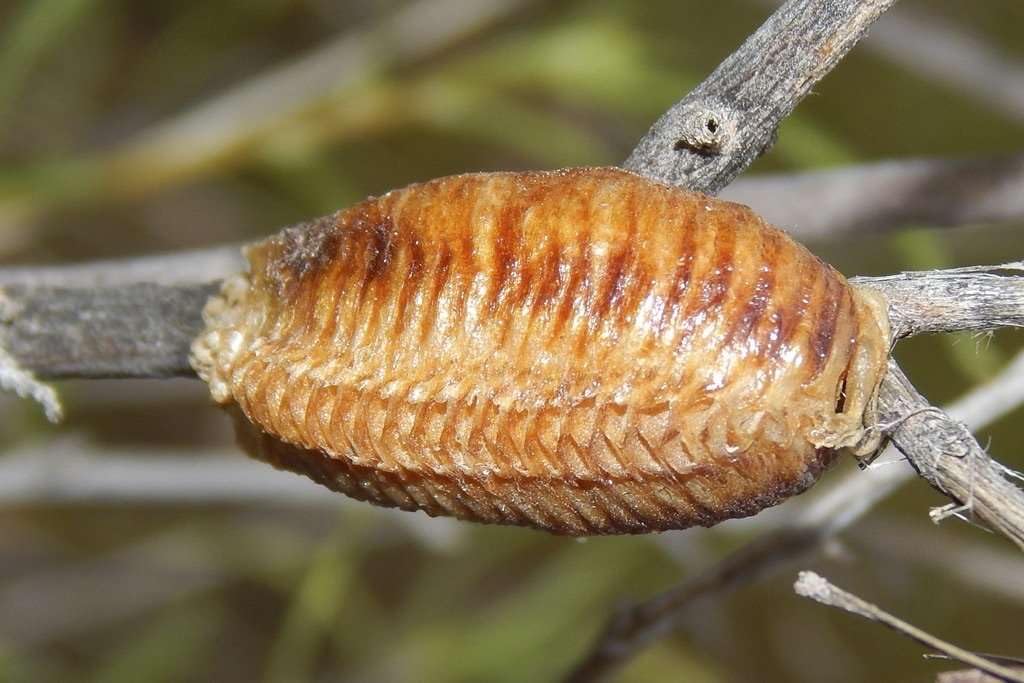
Mantis Life Cycle
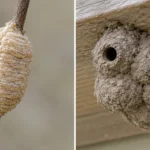
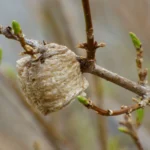
Praying Mantis Egg Case: Identification, Care, Hatching, and What to Do After It Opens
Finding a praying mantis egg case for the first time can feel surprisingly exciting. At first, it may just look...
Praying Mantis Facts
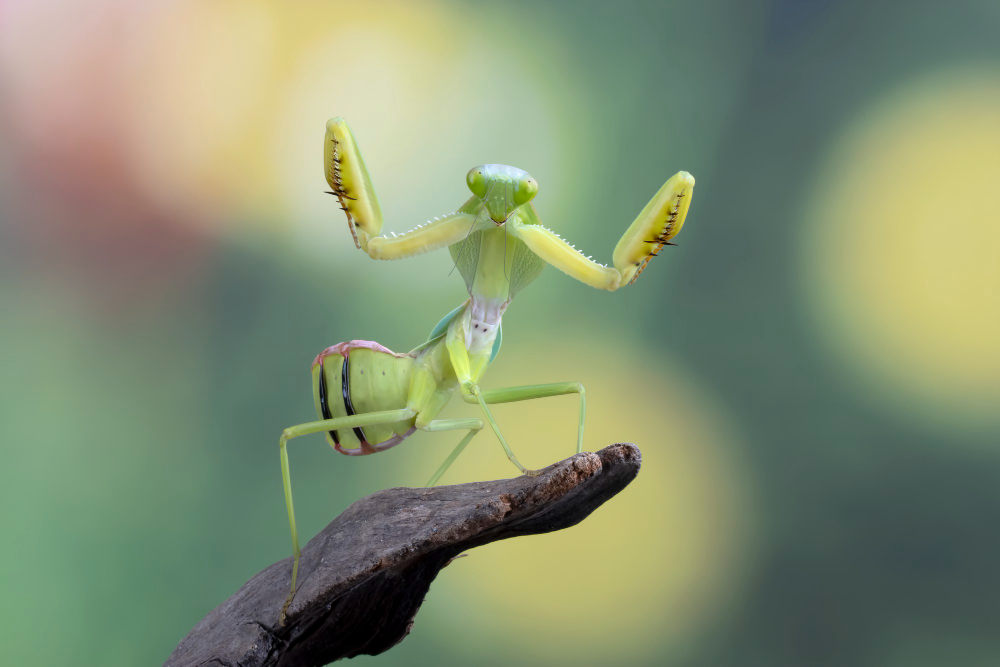
Why Do Praying Mantises Dance? Swaying, Rocking, Hunting, and Mantis Behavior Explained
Praying mantises appear to “dance” because they often sway, rock, bob, or shift their bodies from side to side while...
Mantis in the Garden
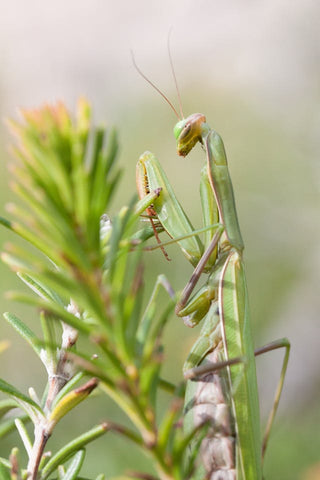
Are Praying Mantises Good for Gardens? Benefits, Risks, and What Gardeners Should Know
A praying mantis on a tomato plant can feel like a small sign that your garden is doing something right....
Mantis Life Cycle
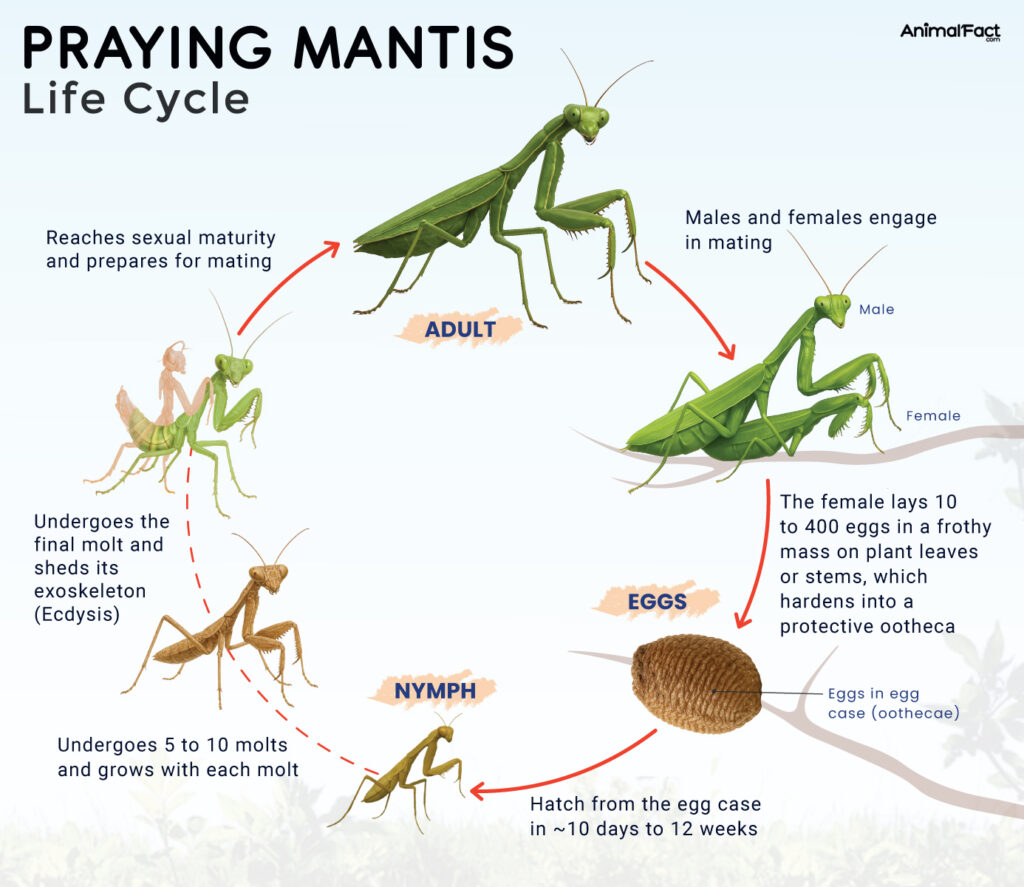
Praying Mantis Life Cycle: Eggs, Nymphs, Molting, and Adults Explained
The praying mantis life cycle is one of those small backyard dramas that feels almost hidden in plain sight. One...