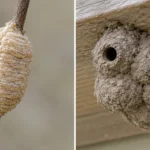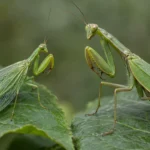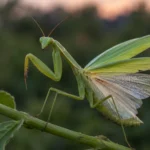
The Mantis Identification section helps readers recognize praying mantises by looking at more than just color. A mantis may be green, brown, tan, small, large, winged, or wingless depending on its species, age, sex, and environment. Good identification often requires checking several features together, including body shape, head shape, forelegs, wing length, size, posture, habitat, and location. This section includes beginner-friendly guides for identifying adult mantises, baby mantises, egg cases, and common look-alikes such as walking sticks, grasshoppers, katydids, and other long-bodied insects. These articles are meant to help everyday readers make better observations while remembering that exact species identification can sometimes require expert confirmation.
Mantis Identification
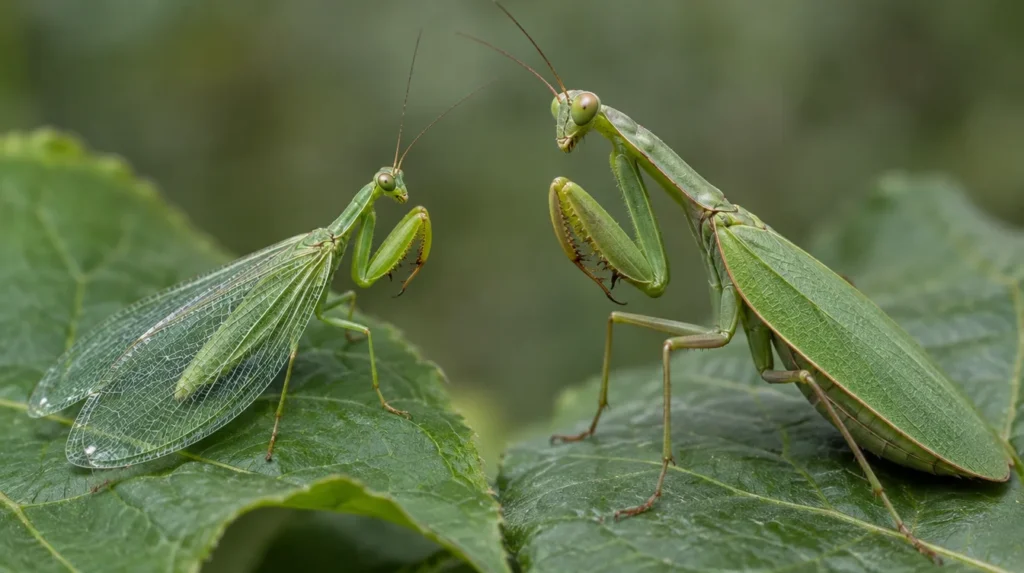
Mantisfly vs Praying Mantis: How to Tell Them Apart
If you have found a small insect with folded, mantis-like front legs and clear, lacy wings, you may be looking...
Mantis Identification
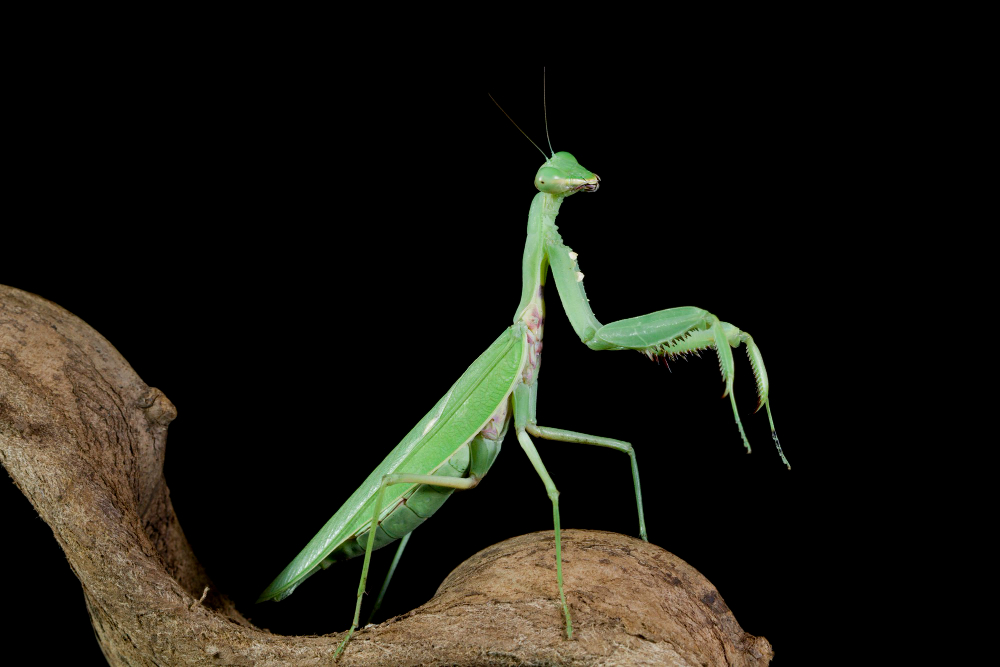
Praying Mantis With a Green Stripe on Its Wing
If you are looking at a tan or brown praying mantis with a thin green line running down the outer...
Mantis Identification
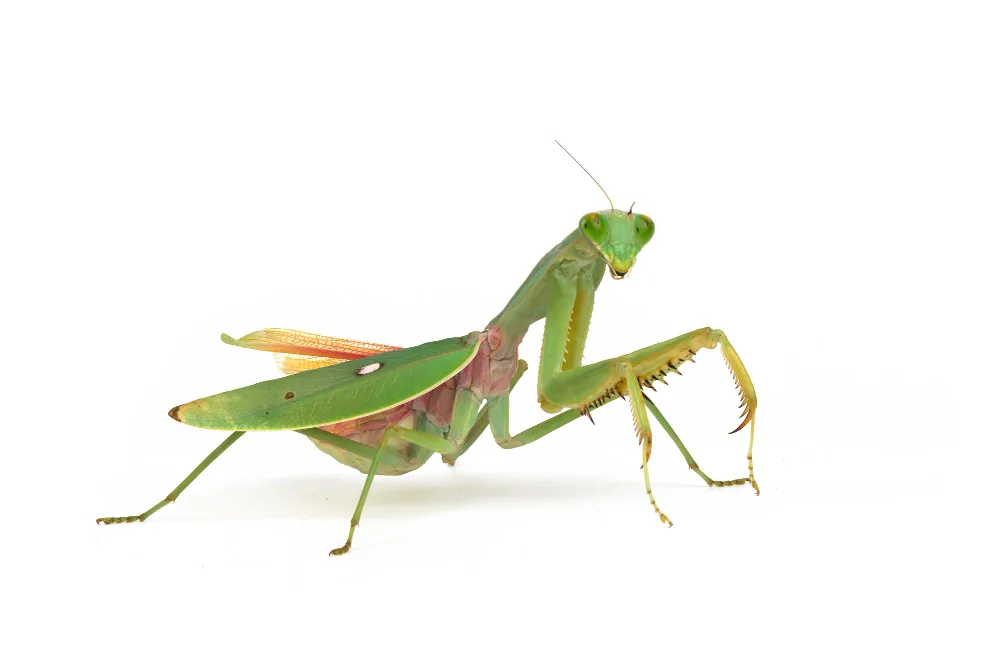
Praying Mantis With Short Wings
If you find a praying mantis with short wings, there is no single explanation.It may be an immature mantis with...
Mantis Identification
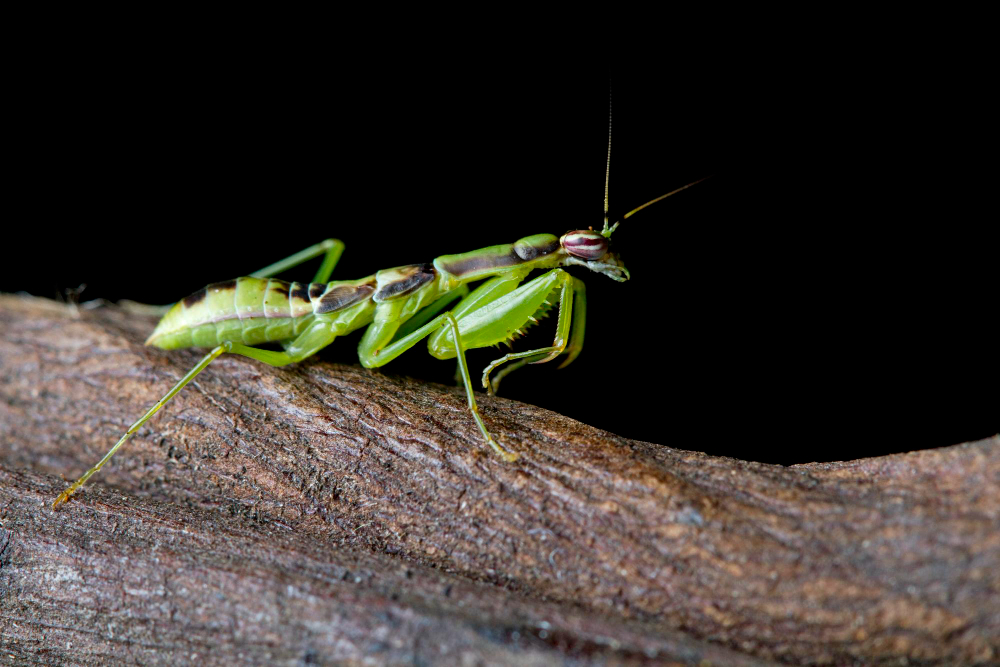
Small Praying Mantis Identification: How to Tell If It’s a Baby Mantis, Nymph, or Small Species
A small praying mantis is most often a young nymph — especially if it looks like a miniature adult but...
Mantis Identification
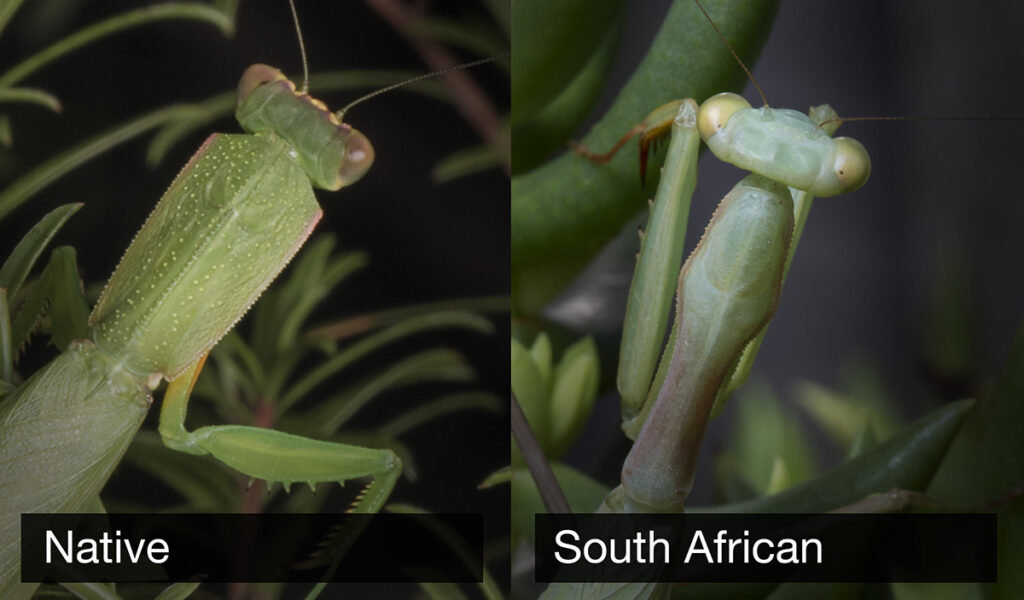
How to Identify a Praying Mantis: A Simple Field Guide
A praying mantis is one of those insects many people recognize instantly — at least at first glance. The folded...