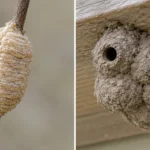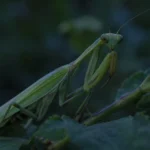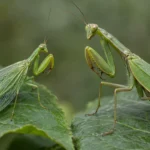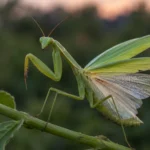
Welcome to Praying Mantis Facts, a simple starting point for learning about these remarkable insects. Praying mantises are best known for their folded front legs, triangular heads, patient hunting style, and alert posture. But there is much more to them than their famous “praying” pose. In this section, you’ll find beginner-friendly answers to common questions about mantis anatomy, lifespan, safety, movement, flight, senses, and role in nature. These guides are written for readers who want clear explanations without heavy scientific language. Whether you found a mantis in your garden, saw one on a window, or simply want to understand what makes these insects so fascinating, this section will help you build a solid foundation.
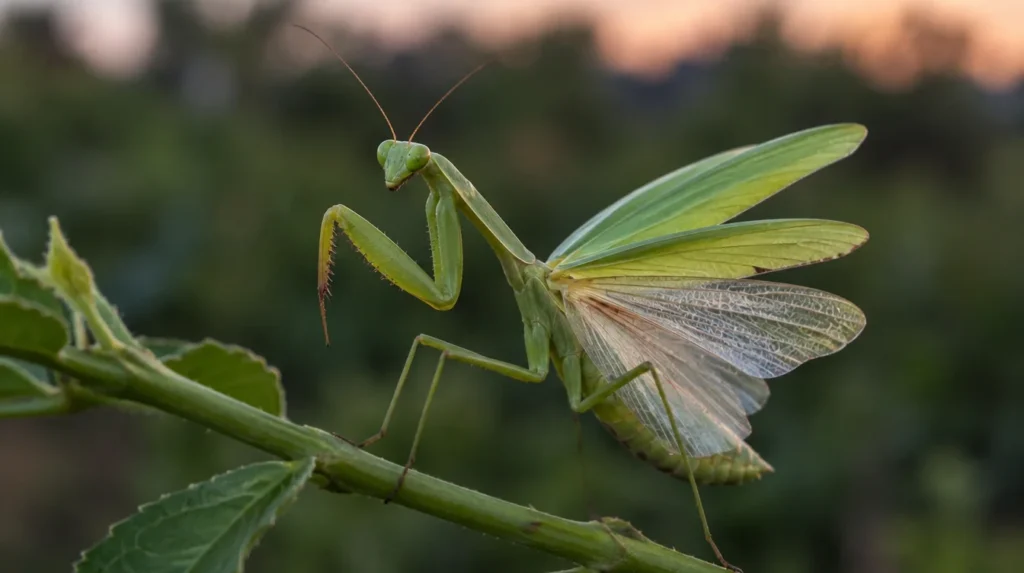
Praying Mantis Facts
Can Praying Mantises Fly? Which Mantises Fly and Which Can’t
Can Praying Mantises Fly? Yes, many praying mantises can fly, but not all of them, and not at every stage...
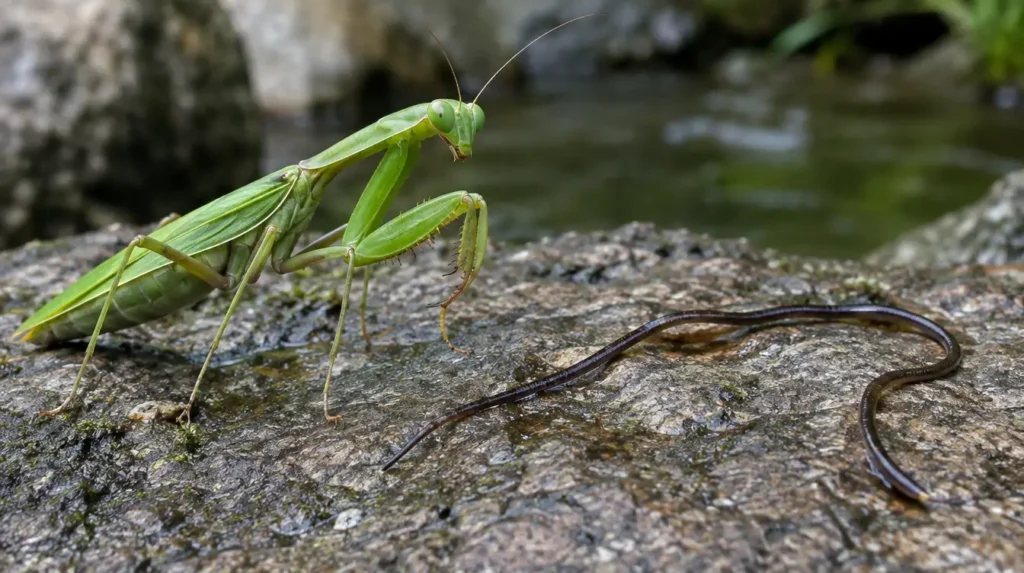
Praying Mantis Facts
Praying Mantis Horsehair Worm Parasite: How It Works
A long, dark worm suddenly emerges from a praying mantis and begins twisting through the water. The worm may be...
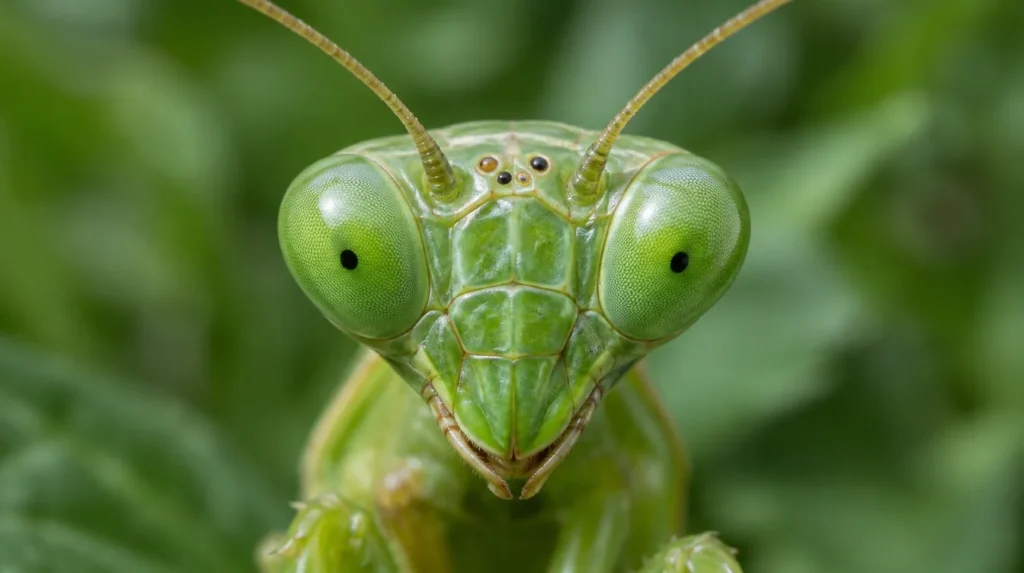
Praying Mantis Facts
What Is the Black Dot on a Praying Mantis Eye?
If you have looked a praying mantis in the face, you have probably noticed a small black dot in each...
Praying Mantis Facts
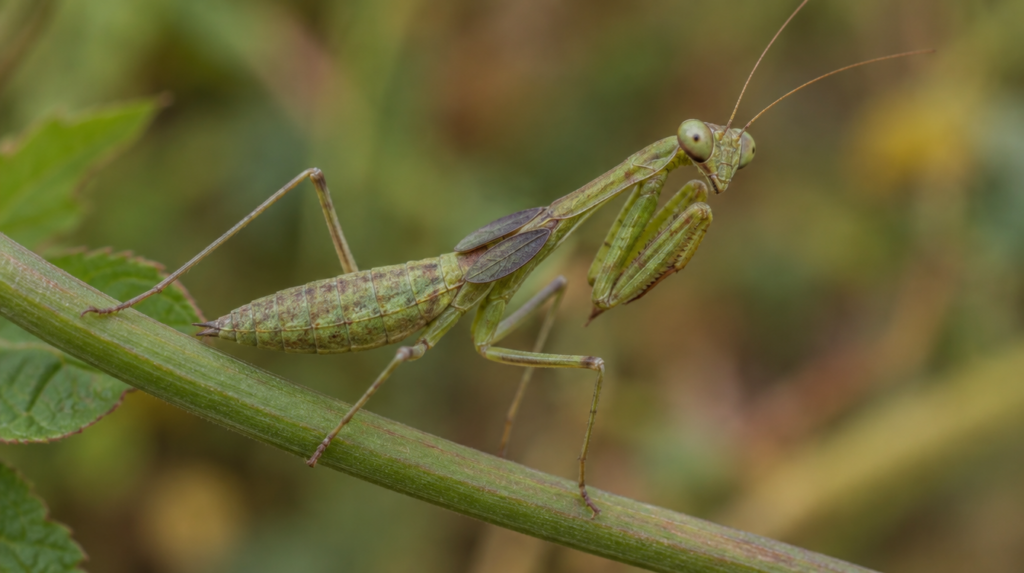
Praying Mantis Incomplete Metamorphosis Explained
Praying mantises grow up through incomplete metamorphosis: three stages — egg, nymph, adult — with no caterpillar-like larva and no...
Praying Mantis Facts
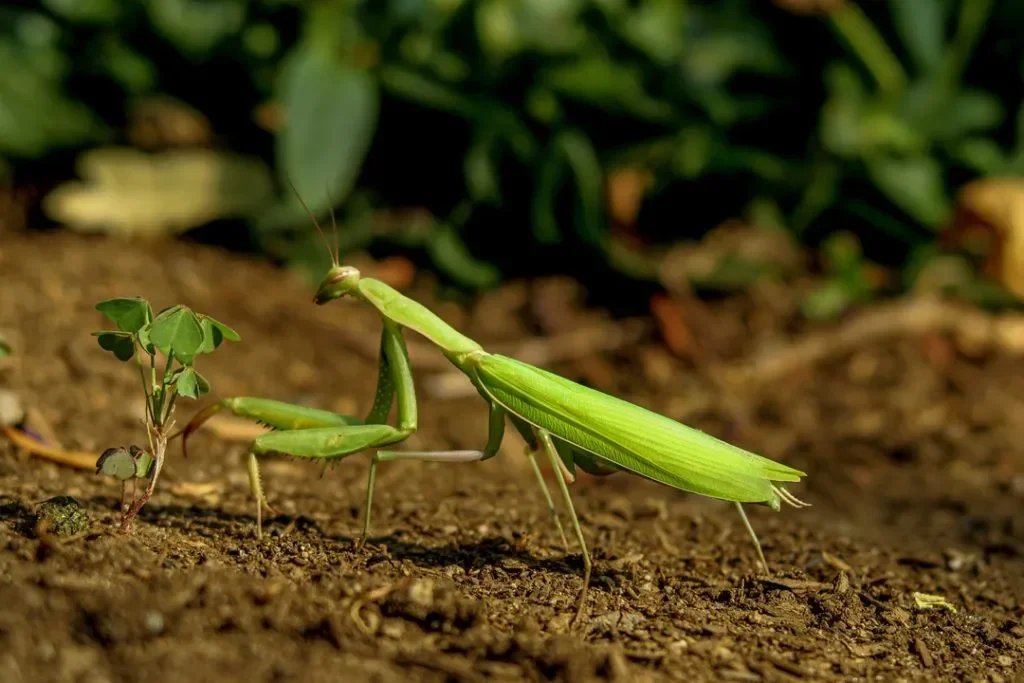
Are Praying Mantises Good, Risks, and Facts
Praying mantises are not simply “good” or “bad.” They are fascinating predatory insects that can eat many garden pests, but...
Praying Mantis Facts
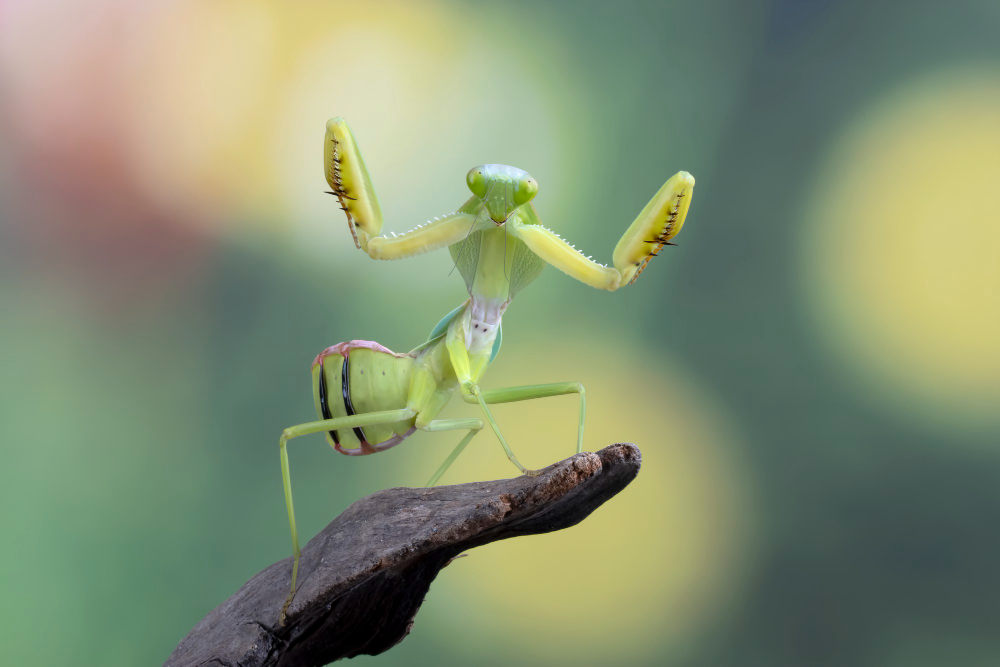
Why Do Praying Mantises Dance? Swaying, Rocking, Hunting, and Mantis Behavior Explained
Praying mantises appear to “dance” because they often sway, rock, bob, or shift their bodies from side to side while...
Praying Mantis Facts
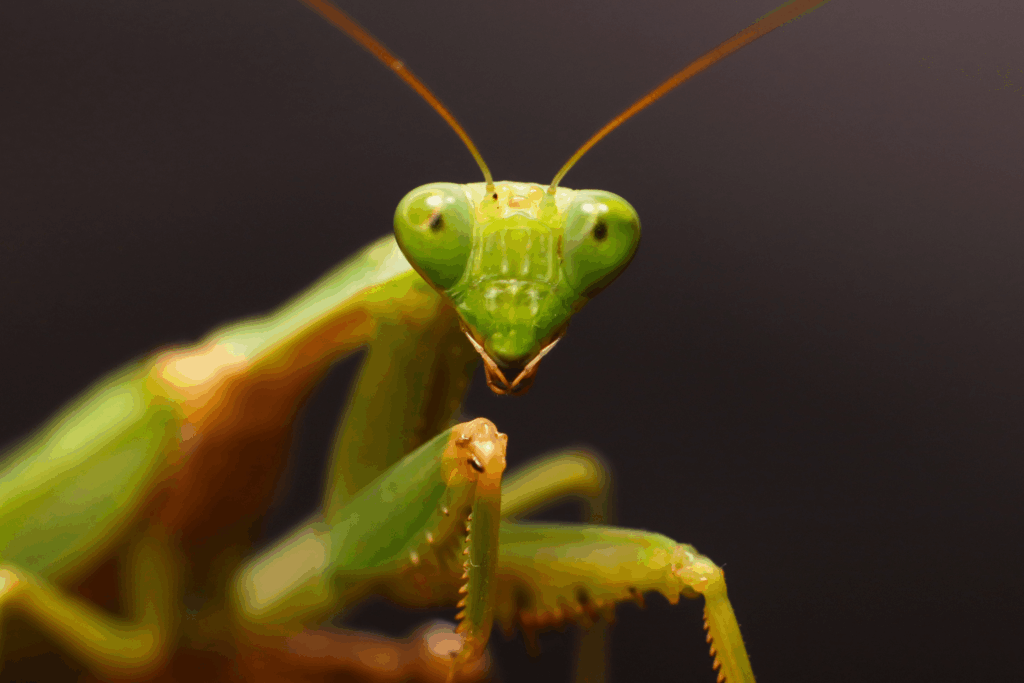
What Is a Praying Mantis? Facts, Habitat, Diet, and Garden Benefits
A praying mantis is one of those insects that almost feels designed to make you stop and look twice. With...