The Mantis Behavior section explores how praying mantises move, hunt, hide, defend themselves, and interact with their environment. Mantises are patient ambush predators, often staying still for long periods before striking quickly with their folded front legs. Their behavior can include swaying, turning their heads, defensive displays, camouflage, flying, mating, molting, and sometimes cannibalism. Some behaviors may look strange at first, but they often have practical roles in hunting, balance, defense, or survival. These guides explain mantis behavior in a calm, balanced way without turning natural actions into myths or exaggeration. This section is ideal for readers who have watched a mantis closely and wondered why it was moving, staring, swaying, or holding its arms in a certain way.
Mantis Behavior
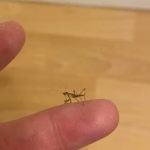
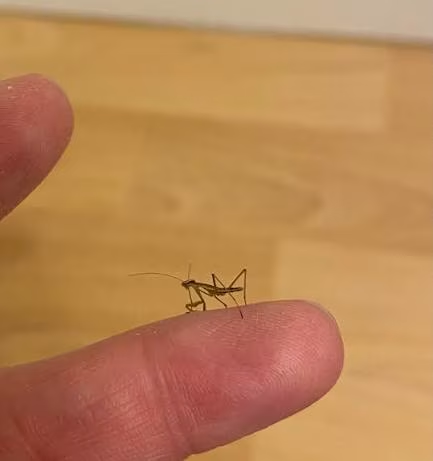
What to Do With Baby Praying Mantises Indoors
Introduction Seeing one tiny praying mantis inside can be charming. Finding dozens—or possibly hundreds—of them spreading across a window, plant,...
Mantis Behavior
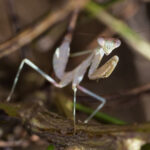
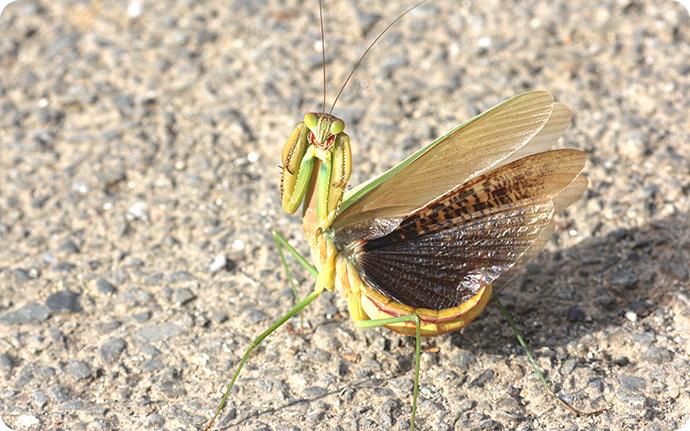
Why Do Praying Mantises Raise Their Arms? Meaning, Behavior, and Body Language
A praying mantis raises its front legs for several possible reasons, including normal resting posture, hunting readiness, tracking movement, grooming,...
Mantis Behavior
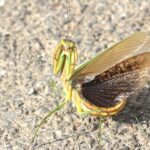
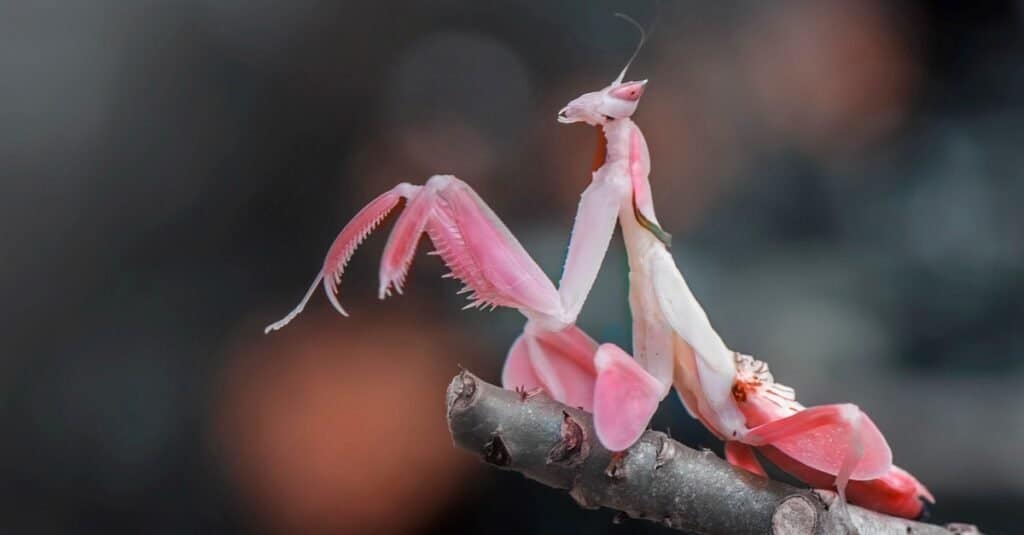
How Do Praying Mantises Hunt? Ambush, Vision, Camouflage, and Strike Behavior
Praying mantises usually hunt by waiting quietly, watching for movement, and striking when live prey comes close enough to catch....
Mantis Behavior
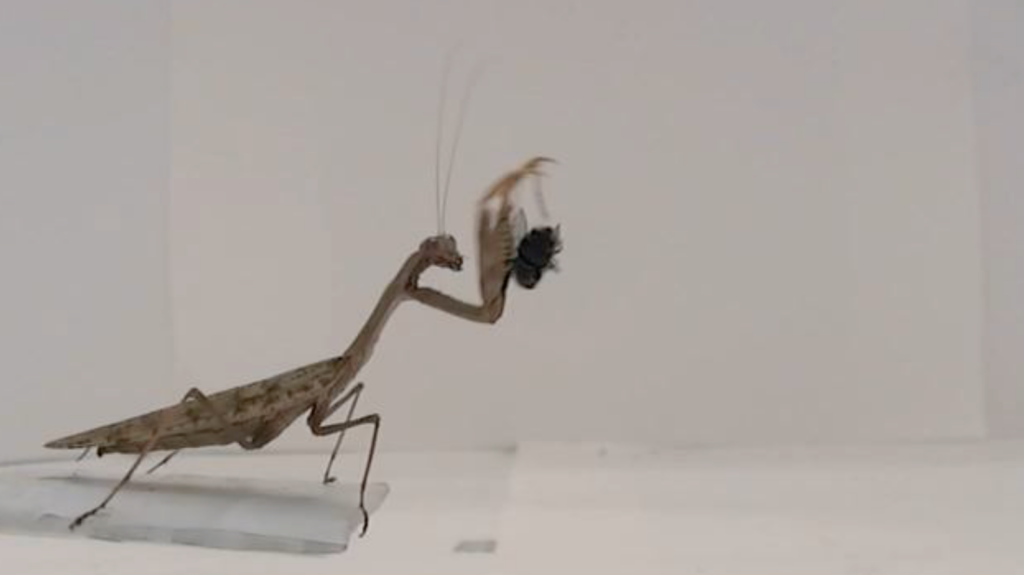
Praying Mantis Hunting Behavior: How Mantises Find, Stalk, and Catch Prey
Praying mantises are predatory insects known for their still, folded posture and sudden strike. Their hunting behavior relies on patience,...